Inside Korea’s Leather Culture: Mike of BulSae Leather on Craft, Culture & Reinvention
Inside Korea’s Leather Culture: Mike of BulSae Leather on Craft, Culture & Reinvention
Overview
Guest: Mike, founder of BulSae Leather
Host: Matt Roach (@leathershoppod)
Release Date: February 22, 2026
Early Access for Patreon: February 15, 2026 (one week early)
Mike from BulSae Leather joins Matt in this deep‑dive into Korea’s vibrant leathercraft culture. Starting with a single wallet and fueled by a passion to “make things that last longer than our lifetime,” Mike has built BulSae Leather into a small but mighty workshop known for its clean design, uncompromising hand‑work, and thoughtful storytelling. In this episode you’ll hear how a childhood fascination turned into a full‑time craft, why the name BulSae—Korean for “phoenix”—represents both heritage and reinvention, and how Mike balances tradition with modern tools in a world where “handmade” is often gate‑kept.
Episode Highlights
Origins of BulSae Leather – from Mike’s first hand‑stitched card wallet to building a brand that ships worldwide.
Korean Leathercraft Traditions vs. Western Influences – the differences in style, materials, and technique that shape Mike’s work.
The “Handmade” Debate – why using machines isn’t cheating and how Mike chooses tools that enhance—not replace—the craft.
Design Philosophy – prioritising clean lines, durability and timelessness over trends and gimmicks.
Storytelling & Community – how Mike leverages Instagram and YouTube to share process videos, educate his audience, and foster an engaged global community.
Advice for Aspiring Makers – choosing your first tools, sourcing quality leather, and developing a style that’s true to you.
“It’s not about the number of stitches—it’s about owning the work. Whether you hand‑stitch or use a machine, you still have to understand the craft.” – Mike
About Mike & BulSae Leather
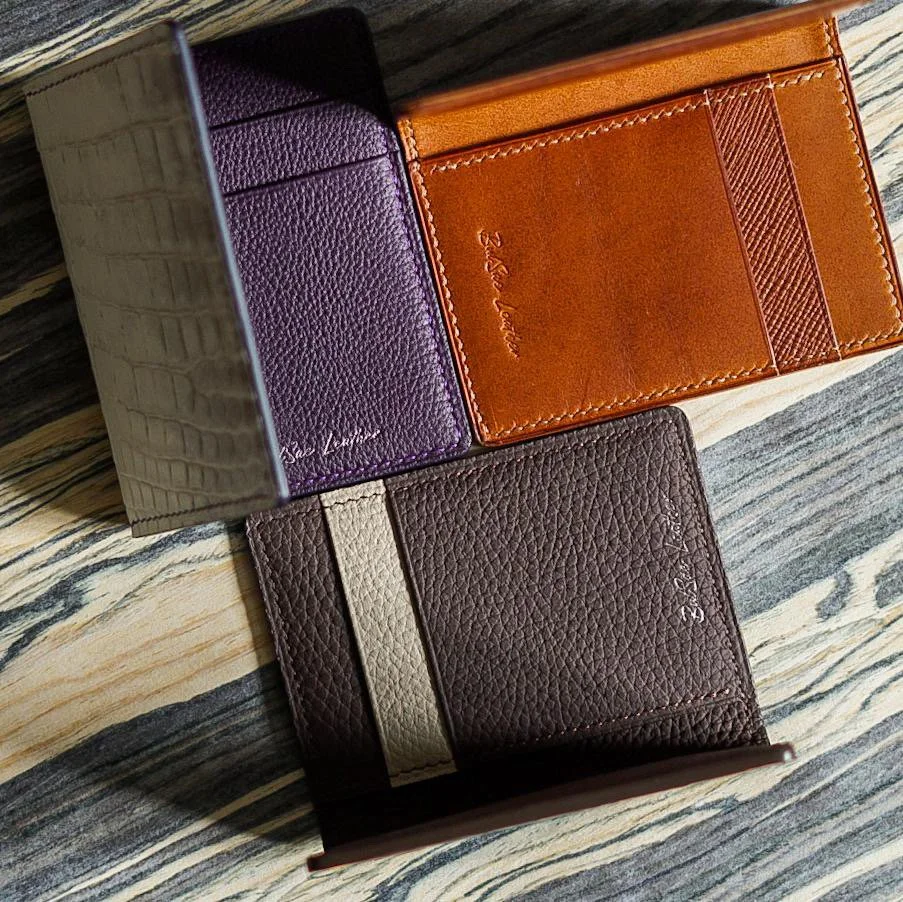
BulSae Leather is a Seoul‑based workshop specialising in handmade wallets, card holders and accessories. The name BulSae (불새) means “phoenix” in Korean and reflects the brand’s philosophy of renewal—breathing new life into traditional techniques while creating goods designed to endure. Each piece is cut, skived, stitched and finished by hand, using premium vegetable‑tanned hides sourced from Italy and Japan. Mike shares the process openly through social media, demystifying leathercraft and encouraging others to pick up the awl.
Craft Tips from the Episode
Cutting & Skiving
Use a dedicated skiving knife and take multiple light passes rather than one heavy cut; this reduces tear‑out and gives you better control.
Reinforce pockets before folding—thin the edges to prevent bulk and ensure a crisp crease.
Stitching & Tools
Invest in good pricking irons; the spacing and pitch determine how clean your stitches look. Mike prefers French‑style irons for their tapered teeth and consistent marks.
Don’t be afraid of sewing machines. Cylinder‑arm machines can speed up production without sacrificing quality if you understand tension and thread choice.
Design & Durability
Focus on function first: every slot, pocket and curve should serve a purpose. Avoid “hidden slots” that add bulk and rarely get used.
Finish your edges properly—sand progressively, burnish with gum tragacanth, and seal with a light coat of beeswax for long‑lasting results.
Follow & Resources
BulSae Leather: @bulsaeleather – see Mike’s work and process videos.
BulSae Leather YouTube: search “BulSae Leather” on YouTube for tool reviews and longer‑form tutorials.
Leather Shop Podcast:leathershoppod.com – discover more episodes and show notes.
Recommended Tools: Explore our curated Amazon Leathercraft List for pricking irons, skiving knives and cylinder‑arm sewing machines discussed in this episode.
Listen Now
Stream or download the episode on your preferred platform:
Spotify – Listen on Spotify
Apple Podcasts – Listen on Apple Podcasts
YouTube – Subscribe to our channel
Support the show on Patreon to get episodes like this one a week early and access behind‑the‑scenes Q&As, polls and bonus content.